Cryptocurrency Wallets: Crypto Wallet App and Ledger Solutions
Best crypto wallet app and crypto wallet Ledger solutions. Complete Ledger cryptocurrency wallet guide for secure digital asset storage.
Crypto Wallet App: Mobile Management
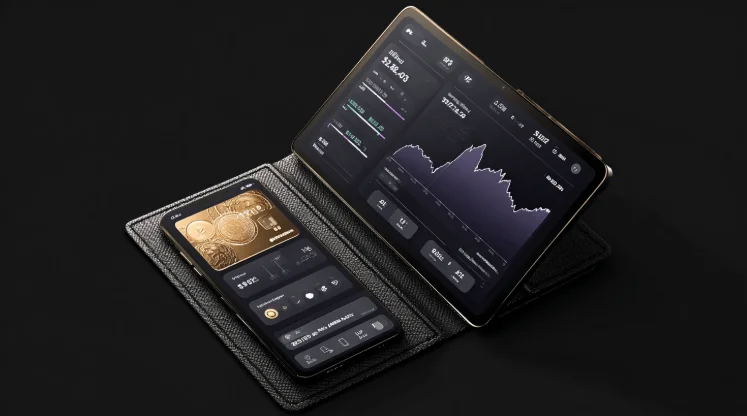
Cryptocurrency wallet applications bring comprehensive digital asset management to mobile devices enabling users to control diverse cryptocurrency portfolios through native iOS and Android implementations optimized for smartphones and tablets. Understanding what distinguishes exceptional crypto wallet app solutions from mediocre implementations helps users identify robust options providing adequate mobile security while maintaining practical accessibility for routine cryptocurrency operations including sending and receiving assets across multiple blockchain networks, portfolio tracking with real-time valuations, QR code scanning for simplified transactions, and accessing decentralized applications through mobile-optimized interfaces designed for touch interactions and smaller screens compared to desktop environments.
The mobile cryptocurrency management landscape encompasses diverse applications serving different needs with comprehensive multi-currency apps supporting thousands of digital assets across major blockchain networks, hardware wallet companion applications enabling wireless transaction signing through Bluetooth connectivity while maintaining offline key security, exchange-affiliated wallets integrating trading capabilities within non-custodial mobile interfaces, and specialized implementations focusing on particular ecosystems like Ethereum for DeFi and NFT interactions. The best crypto wallet app solutions balance adequate security protecting private keys on potentially vulnerable smartphone platforms with excellent usability encouraging consistent proper security practices while supporting comprehensive functionality addressing evolving cryptocurrency management needs as mobile-first users increasingly manage digital asset portfolios primarily through smartphones.
Mobile Wallet Overview
Mobile cryptocurrency wallets leverage smartphone capabilities including biometric authentication through Face ID or fingerprint sensors for convenient security, camera integration for QR code scanning eliminating manual address entry errors, push notifications alerting to received transactions or important account events, and always-connected internet enabling real-time portfolio updates and immediate transaction capabilities. Modern crypto wallet app implementations typically support hierarchical deterministic (HD) architecture following BIP32/39/44 standards generating unlimited addresses from single seed phrase enabling complete multi-currency wallet restoration from 12-word or 24-word backup recorded during initialization.
The mobile approach proves particularly valuable for users prioritizing portability and convenience conducting cryptocurrency operations frequently throughout daily activities, travelers requiring access while away from home computers, point-of-sale cryptocurrency payments through QR code scanning, peer-to-peer transfers during in-person interactions, and anyone preferring smartphone-centric digital lifestyles. However, mobile platform vulnerabilities from malware targeting Android and iOS create security considerations warranting limiting smartphone wallet amounts to levels representing acceptable potential loss recognizing elevated risks compared to hardware cold storage solutions providing superior protection through permanent offline key isolation.
App Features and Benefits
Essential crypto wallet app capabilities include multi-currency support managing diverse cryptocurrency portfolios within unified interfaces, intuitive transaction construction through guided forms with address validation and fee estimation, comprehensive portfolio tracking displaying holdings across multiple blockchains with current fiat valuations, transaction history providing detailed records with timestamps and confirmation statuses, and security features including biometric authentication, PIN protection, and encrypted backup options. Advanced features might include hardware wallet integration maintaining maximum security while enabling mobile access, DeFi protocol connectivity for decentralized finance participation, NFT galleries displaying digital collectibles with visual interfaces, staking integration for passive income generation, and in-app exchanges enabling cryptocurrency swaps without external platforms. Explore best Web3 wallets for advanced features.
The mobile convenience enables responsive cryptocurrency management from anywhere with cellular or Wi-Fi connectivity supporting timely market responses or urgent transactions without requiring computer access. Touch-optimized interfaces accommodate smartphone usage patterns with large buttons, swipe gestures, and simplified navigation appropriate for mobile contexts. However, users should understand security tradeoffs from storing keys on general-purpose devices vulnerable to sophisticated attacks warranting tiered security strategies using mobile wallets for smaller active amounts while substantial holdings remain secured in hardware cold storage. Learn about mobile wallet security best practices.
Crypto Wallet Ledger: Hardware Security
Understanding Ledger's hardware wallet approach helps users appreciate maximum practical security for cryptocurrency holdings through dedicated security devices.
Ledger Hardware Wallets
Crypto wallet ledger refers to Ledger's industry-leading hardware wallet solutions providing specialized physical devices designed exclusively for cryptocurrency private key storage through certified tamper-resistant secure element chips isolated from internet-connected computers vulnerable to malware and hacking. Ledger pioneered consumer-accessible institutional-grade cryptocurrency security serving over 6 million users worldwide who collectively secure billions of dollars in digital assets through proven architecture combining hardware protection with user-friendly Ledger Live companion software. The devices implement Common Criteria EAL5+ certified secure elements—the same specialized processors used in credit cards, passports, and other high-security applications—providing comprehensive protection against both sophisticated software exploits and physical tampering attempts.
The permanent offline key isolation eliminates entire categories of remote attacks including network-based exploits, malware infections, phishing attempts, and unauthorized access that internet connectivity enables. This cold storage approach has proven effective throughout Ledger's decade-long operational history protecting billions without successful attacks compromising properly used devices despite being attractive targets for sophisticated adversaries seeking valuable cryptocurrency concentrations. The demonstrated real-world effectiveness validates hardware wallet superiority over software alternatives frequently compromised through various attack vectors that offline isolation prevents. See our complete security guide for detailed protection strategies.
Integration with Software
Ledger cryptocurrency wallet ecosystem combines hardware security with Ledger Live companion application available for Windows, macOS, Linux desktop computers and iOS, Android mobile devices providing unified interface for cryptocurrency management. The architectural separation maintains private keys exclusively within hardware devices while software handles blockchain communication, balance queries, transaction construction, and user interface presentation. This elegant division enables convenient cryptocurrency management through feature-rich applications while preserving absolute security through hardware isolation creating optimal balance between protection and usability unachievable through software-only solutions.
The integration workflow involves connecting hardware device to computer via USB or smartphone via Bluetooth for Nano X, authenticating through PIN entry on device, then conducting cryptocurrency operations through Ledger Live interface. Transaction construction occurs in software displaying recipient addresses, amounts, and fees, then unsigned transaction data sends to hardware device which displays comprehensive details on trusted screen enabling thorough verification. After user approval through physical button presses, device signs transaction using isolated private keys with only cryptographic signature returning to software for blockchain broadcasting while keys remain permanently secured.
Security Advantages
Crypto wallet ledger security benefits include:
- Certified secure elements holding Common Criteria EAL5+ certifications validating resistance to sophisticated attacks
- Offline key storage eliminating remote attack possibilities through permanent internet isolation
- PIN protection implementing two-factor authentication combining device possession and PIN knowledge
- Tamper-resistant hardware detecting and responding to physical attack attempts through various mechanisms
- Trusted display screens showing transaction details immune to software manipulation preventing malware deception
- Recovery phrase backup enabling disaster recovery through deterministic key generation from 24-word seed
- Proven track record protecting billions across millions of users throughout decade without successful attacks
- Regular firmware updates maintaining security against evolving threats through addressing discovered vulnerabilities
The comprehensive protection proves essential for substantial cryptocurrency holdings where loss would significantly impact personal finances. The hardware approach suits serious investors managing diversified portfolios exceeding several thousand dollars, long-term holders accumulating positions for years or decades, businesses accepting cryptocurrency requiring secure treasury management, or anyone prioritizing maximum practical security over convenience for valuable digital asset concentrations. Compare all wallet options to find the perfect solution for your needs.
Ledger Cryptocurrency Wallet: Complete Solution
Understanding comprehensive capabilities helps users appreciate full-featured cryptocurrency management platform.
Multi-Asset Support
Ledger cryptocurrency wallet supports over 5,500 cryptocurrencies and tokens across major blockchain networks enabling complete portfolio consolidation within unified hardware security. Comprehensive coverage includes Bitcoin with all address formats and advanced features, Ethereum plus unlimited ERC-20 tokens and ERC-721/1155 NFTs, Cardano, Polkadot, Solana, Cosmos, Binance Smart Chain, Polygon, Avalanche, and numerous other networks representing diverse technological approaches. This extensive support accommodates unlimited portfolio complexity as holdings diversify across established cryptocurrencies and emerging projects without wallet limitations restricting investment strategies.
The following table compares cryptocurrency support across different wallet categories:
| Wallet Category | Typical Asset Support | Multi-Chain Capability | Token Standards | Best Use Case |
|---|---|---|---|---|
| Ledger Hardware | 5,500+ cryptocurrencies | Excellent | All major standards | Diversified portfolios |
| Software Desktop | 100-500+ assets | Good | Platform-specific | Power users, specific chains |
| Mobile Apps | 50-200+ assets | Moderate | Limited standards | On-the-go access |
| Exchange Wallets | Platform-dependent | Limited | Exchange listings | Active trading only |
| Single-Chain Wallets | One blockchain focus | None | Chain-specific | Blockchain maximalists |
Token support extends beyond native cryptocurrencies to thousands of tokens on smart contract platforms. Single Ethereum app installation enables managing unlimited ERC-20 tokens without separate applications for each token. Automatic token detection discovers holdings through address scanning while custom token addition supports newly launched projects. Similar extensive coverage exists for Binance Smart Chain BEP-20, Solana SPL tokens, and other platform-specific implementations enabling comprehensive token portfolio management.
Ledger Live Integration
Ledger Live provides comprehensive management interface for ledger cryptocurrency wallet combining intuitive design with sophisticated functionality. Portfolio dashboard displays complete holdings across all supported cryptocurrencies with total fiat valuation, individual asset breakdowns showing quantities and current values, allocation percentages revealing portfolio composition, and 24-hour performance indicators tracking recent market movements. Interactive charts visualize historical portfolio evolution over customizable timeframes revealing long-term accumulation patterns or recent activity supporting informed investment decisions through comprehensive portfolio intelligence.
Transaction capabilities include buying cryptocurrency with fiat currency through integrated exchange partners supporting credit cards, debit cards, and bank transfers, selling cryptocurrency converting holdings to fiat transferring to bank accounts, and swapping between different cryptocurrencies through aggregated exchange integrations comparing rates across multiple platforms. Staking integration enables passive income generation from proof-of-stake networks including Ethereum, Cardano, Polkadot, Cosmos, Solana, and others with yields typically ranging 3-20% annually. The comprehensive features transform basic hardware security into complete cryptocurrency platform.
DeFi and NFT Support
Decentralized finance integration enables participating in lending protocols, decentralized exchanges, liquidity provision, and yield farming while maintaining ledger cryptocurrency wallet security through mandatory hardware approval for all operations. Users can access major DeFi protocols including Uniswap, Aave, Compound, Curve, and countless others through WalletConnect or MetaMask integration routing transaction signing through hardware devices. Smart contract interaction details display on trusted hardware screens enabling informed consent for potentially complex multi-step operations that detailed review helps users understand.
NFT support includes secure custody for non-fungible tokens across multiple platforms with Ethereum ERC-721 and ERC-1155 representing vast majority, visual NFT galleries in Ledger Live displaying digital art with image previews and metadata, marketplace integrations supporting major platforms like OpenSea, and transfer capabilities for moving collectibles. The comprehensive digital asset management demonstrates evolution beyond simple cryptocurrency storage to complete blockchain-based value representation platform.
Crypto Wallet App: Key Features
Understanding critical capabilities helps users evaluate mobile wallet quality and functionality.
Portfolio Tracking
Comprehensive portfolio management displays complete cryptocurrency holdings across multiple blockchains with real-time balance updates reflecting current blockchain states and market valuations. The crypto wallet app aggregates diverse cryptocurrency positions showing total portfolio value in preferred fiat currency, individual asset breakdowns with quantities and current market values, allocation percentages revealing portfolio composition and concentration levels, and performance tracking showing gains or losses over various timeframes. Interactive charts visualize portfolio evolution revealing accumulation patterns, market cycle impacts, and overall investment performance.
Price alerts notify users when cryptocurrencies reach specified values enabling timely responses to market movements. Transaction notifications alert immediately to received transfers enabling prompt awareness without constant manual checking. The consolidated tracking eliminates needs for separate monitoring across multiple wallets, exchanges, or manual spreadsheets creating comprehensive portfolio visibility through unified mobile interface accessible anywhere with smartphone connectivity.
Buy, Sell, Swap
Integrated exchange functionality within crypto wallet app enables purchasing cryptocurrency with fiat using credit cards, debit cards, or bank transfers directly through mobile interface without separate exchange registrations. Supported payment methods and service providers vary by geographic location and regulatory environments. Selling converts cryptocurrency to fiat transferring to bank accounts or payment cards. The streamlined processes simplify cryptocurrency acquisition and liquidation particularly for users managing portfolios primarily through mobile devices.
Token swapping enables exchanging between different cryptocurrencies without fiat intermediaries through integrated swap aggregators comparing rates across multiple decentralized exchanges. Rate comparison displays best available pricing minimizing costs through competitive discovery. Hardware wallet integrated apps maintain security throughout exchange operations requiring device approval for trades. While convenient, users should compare rates and fees particularly for larger transactions where minor differences create substantial value variations.
Staking Capabilities
Staking integration enables earning passive income from proof-of-stake cryptocurrencies directly through crypto wallet app interfaces. Supported networks include Ethereum with approximately 3-4% yields, Cardano offering 4-6% returns without lock-up periods, Polkadot providing 10-14% yields with 28-day unbonding, Cosmos delivering premium 15-20% returns, Solana offering 6-8% yields, and various other networks. Staking interfaces display current annual percentage rates, validator information and performance metrics, accumulated rewards, and claiming procedures where manual claims prove necessary.
The staking process typically involves selecting networks, choosing validators based on performance and commission rates, and approving delegation transactions. Rewards accumulate automatically with some networks requiring manual claiming while others compound automatically. The integrated staking transforms wallets from passive storage into active earning platforms generating returns from long-term holdings without compromising security through proper implementation requiring hardware approval for delegation operations.
Crypto Wallet Ledger: Device Models
Understanding available hardware options helps users select appropriate models matching specific needs and budgets.
Ledger Nano X
Ledger Nano X represents flagship device combining maximum features with premium pricing at $149. Key advantages include Bluetooth Low Energy connectivity enabling wireless smartphone pairing for mobile cryptocurrency management without cables, integrated rechargeable battery providing 8 hours operation supporting portable usage away from computers, larger 128x64 pixel screen offering enhanced transaction detail display, and storage capacity for 100+ cryptocurrency applications supporting extensive portfolio diversity. The Bluetooth implementation uses encrypted communication with mutual authentication preventing unauthorized connections or eavesdropping.
The wireless capability proves particularly valuable for mobile-first users managing cryptocurrency primarily through smartphones, travelers requiring portable access without computer dependencies, or anyone valuing cable-free convenience. USB-C wired connectivity remains available for computer connections or users preferring wired security. The premium features justify higher price for users prioritizing mobility and convenience alongside maximum security through certified secure element protection.
Ledger Nano S Plus
Ledger Nano S Plus provides excellent mid-range option balancing comprehensive features with accessible $79 pricing. Advantages include larger screen matching Nano X display size for enhanced readability, expanded storage capacity for 100+ applications eliminating constant app management, modern USB-C connectivity replacing older micro-USB, and desktop-focused design without battery or Bluetooth reducing cost while maintaining complete security and functionality for computer-based cryptocurrency management.
The device suits desktop users conducting cryptocurrency operations primarily from home computers, budget-conscious buyers seeking maximum value, beginners establishing proper security practices from initial cryptocurrency exposure, or anyone prioritizing security over mobile convenience. The $79 price point makes hardware security accessible for users with portfolios exceeding several hundred dollars where hardware investment proves trivial compared to security improvements.
Model Comparison
Comprehensive crypto wallet ledger device comparison includes following considerations: Security: All models share identical core security through certified secure element chips ensuring equivalent protection. Connectivity: Nano X offers Bluetooth plus USB-C while Nano S Plus provides USB-C only. Portability: Nano X battery enables mobile operation while Nano S Plus requires USB power. Price: Nano S Plus costs $79 versus Nano X $149 reflecting convenience features not security. Screen: Both current models feature large 128x64 displays for enhanced transaction verification. Storage: Both accommodate 100+ apps eliminating management concerns for diverse portfolios. Use case: Nano X suits mobile-first users while Nano S Plus optimal for desktop management. Value: Nano S Plus provides exceptional security-to-price ratio for budget-conscious buyers.
Selection should prioritize security requirements matching held cryptocurrency values, usage patterns determining mobile versus desktop focus, budget considerations balancing cost against features, and personal preferences regarding wireless connectivity or wired simplicity. Both models provide equivalent security making choice primarily about convenience features rather than protection levels.
Ledger Cryptocurrency Wallet: Setup Process
Systematic initialization ensures proper configuration establishing secure multi-cryptocurrency custody.
Initial Configuration
Begin ledger cryptocurrency wallet setup by unboxing new device and verifying packaging integrity through tamper-evident seals indicating no unauthorized access during shipping. Connect device to computer using included USB cable or to smartphone via Bluetooth for Nano X. Device displays welcome screen prompting for initial configuration choice between setting up as new device generating fresh recovery phrase or restoring existing wallet from backup phrase. New users should always select new device setup generating cryptographically-secure random seed within hardware rather than importing potentially compromised phrases.
Follow on-screen device prompts and Ledger Live application guidance proceeding through language selection, PIN creation selecting 4-8 digit code balancing security against memorability, and recovery phrase generation where device displays 24 words sequentially requiring careful recording on provided recovery sheets. Take adequate time ensuring accurate phrase transcription as single word error prevents wallet restoration. Device requests verification by displaying random words requiring position confirmation ensuring proper backup recording before proceeding to active usage.
Adding Cryptocurrencies
Install desired cryptocurrency applications through Ledger Live Manager section displaying extensive catalog of 5,500+ supported assets. Connect authenticated device, navigate to Manager, browse available applications through search or categories, and click Install buttons for desired cryptocurrencies. Device screens display installation progress requiring button confirmations. After installation, create accounts for installed cryptocurrencies through Accounts section initiating blockchain synchronization discovering existing addresses and balances for restored wallets or confirming zero balance for new wallets.
Multiple accounts support organizational strategies separating holdings for different purposes. Users might create separate Bitcoin accounts for long-term savings versus spending, distinguish business from personal holdings, or implement various portfolio segmentation approaches. The flexible structure accommodates diverse management preferences without fragmenting custody across multiple wallet solutions maintaining unified security through single hardware device.
Security Settings
Configure additional security features including enabling auto-lock after inactivity periods, setting up passphrase extension adding 25th word to recovery phrase for advanced security, customizing PIN entry requirements, and reviewing firmware currency ensuring latest security updates. Create comprehensive backup strategy storing multiple recovery phrase copies in different secure physical locations like home safes and bank safe deposit boxes providing redundancy against single location disasters. Test backup validity through small amount restoration attempts before trusting substantial holdings confirming recorded phrases work correctly.
Crypto Wallet App: Best Practices
Systematic security practices maintain adequate mobile wallet protection:
- Download apps exclusively from official App Store or Google Play Store never from third-party sources
- Verify developer credentials carefully checking publisher identity matches legitimate companies
- Enable biometric authentication for convenient security without password entry friction
- Set strong application PINs as secondary authentication layer beyond device screen locks
- Maintain current app versions receiving latest security patches and bug fixes
- Limit smartphone wallet amounts to levels representing acceptable potential loss
- Use hardware wallet integration maintaining offline key security with mobile convenience
- Never jailbreak iOS or root Android devices compromising platform security protections
- Avoid public Wi-Fi for sensitive operations or use VPN when necessary
- Regular device backups enable recovery after loss or theft
- Never share recovery phrases or store digitally exposing to unauthorized access
- Research wallet reputation through independent sources before trusting with cryptocurrency
- Report suspected scam apps protecting community from fraudulent applications
Implementing comprehensive security practices maximizes mobile wallet protection within inherent smartphone platform limitations recognizing elevated risks compared to hardware cold storage warranting tiered strategies using mobile apps for smaller active amounts while substantial holdings remain secured in crypto wallet ledger devices.